




Maintaining effective cybersecurity for servers is essential to protecting digital assets, preserving data integrity, and earning customer trust.
Compliance with various standards plays a central role in achieving these objectives. In today’s interconnected, data-driven world, cyber threats are constantly evolving, making compliance a strategic imperative for organizations. In this blog post, I will discuss the multifaceted importance of server compliance in cybersecurity, covering key aspects such as data protection, legal considerations, risk management, operational excellence, and ethical responsibilities.

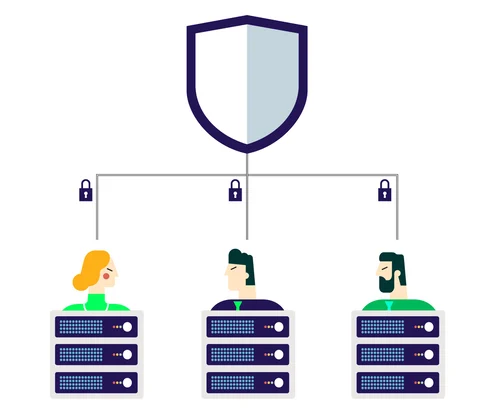
1. Data Protection and Privacy
In the age of digital transformation, servers serve as central repositories for sensitive information, including personal, financial, and proprietary data. Compliance frameworks such as the General Data Protection Regulation (GDPR), the Health Insurance Portability and Accountability Act (HIPAA), and the California Consumer Privacy Act (CCPA) provide guidelines to ensure that this data is handled responsibly, lawfully, and protected against unauthorized access.
By aligning cybersecurity practices with these standards, organizations can implement robust data encryption, access controls, and audit trails, thereby mitigating the risk of data breaches and unauthorized disclosures. Compliance-driven data protection helps foster a culture of privacy that builds customer trust and loyalty.
2. Legal and Regulatory Requirements
- Cybersecurity compliance is closely tied to compliance with legal and regulatory requirements. Organizations that manage servers must navigate a complex landscape of jurisdiction-specific laws that dictate how data is collected, stored, and used. Non-compliance can result in substantial fines, legal battles, and reputational damage.
By proactively complying with these regulations, organizations not only avoid legal consequences but also demonstrate their commitment to responsible data management.
3. Risk Management and Mitigation
The ever-changing threat landscape poses significant challenges to server security. Compliance frameworks provide a structured approach to identifying vulnerabilities, assessing risks, and implementing controls to mitigate potential threats. Regular security audits and assessments required by compliance standards enable organizations to detect and address vulnerabilities before they are exploited.
This risk-based approach enhances an organization’s ability to anticipate, prevent, and respond effectively to cyber incidents.
4. Operational Excellence and Efficiency
Compliance requirements often revolve around best practices for server configuration, patch management, and incident response. Adhering to these practices improves the efficiency of server management, reduces downtime, and minimizes disruptions caused by security incidents.
Compliance-focused processes enable organizations to streamline their operations, optimize resource allocation, and improve the overall performance of their servers.
5. Business Continuity and Disaster Recovery
Compliance standards often emphasize the importance of having a business continuity and disaster recovery plan. It is essential to be prepared for unforeseen events that could disrupt normal operations. Compliance standards strongly emphasize the need to implement a business continuity and disaster recovery plan. It is crucial to prepare for unexpected events that could disrupt normal operations. It is essential to implement a robust plan to ensure that your business can recover quickly from any potential disaster.
By meeting these requirements, organizations can maintain their operations during disruptions, recover data more effectively, and minimize the financial and operational impacts of downtime.
6. Relationships with suppliers and partners
In today’s digital world, many organizations rely on third-party vendors and partners to deliver their services. To establish and maintain these partnerships, compliance with cybersecurity standards is often required.
Suppliers may request proof of compliance to ensure that their safety standards are being met.
7. Technological Innovation
The implementation of compliance standards encourages companies to adopt sophisticated security technologies and methodologies, which drives innovation in the field of cybersecurity.
The result is cutting-edge solutions that strengthen security measures and protect the most critical assets.
8. Trust and Reputation
In the wake of several high-profile data breaches, public confidence in the handling of personal information has been significantly eroded. Compliance initiatives, however, are an effective way to communicate an organization’s commitment to cybersecurity and data protection. This, in turn, helps strengthen its reputation as a credible and trustworthy custodian of sensitive data.
By demonstrating strong compliance practices, an organization can set itself apart from its competitors and, in doing so, restore consumer confidence in the digital age.
9. Cross-functional collaboration
Cybersecurity compliance extends beyond IT departments, requiring collaboration across various functions, including legal, risk management, human resources, and executive leadership. This collaboration fosters a holistic approach to cybersecurity, aligning the various stakeholders toward a common goal of protecting server infrastructure and sensitive data.
10. Ethical Imperative
Compliance is not just about meeting legal and financial requirements; it is a fundamental ethical obligation to protect the digital realm. Organizations have a responsibility to protect large amounts of personal data. Failure to do so can have serious and far-reaching consequences for individuals.
By prioritizing compliance, organizations demonstrate their strong commitment to upholding ethical standards and protecting the rights and privacy of their customers and stakeholders.
Server compliance is critical to cybersecurity due to its far-reaching implications. From protecting sensitive data and meeting legal obligations to managing risks, ensuring operational efficiency, and promoting ethical practices, compliance frameworks provide a structured approach to addressing the complex challenges of cybersecurity.
Organizations that prioritize compliance demonstrate their commitment to excellence in cybersecurity, thereby contributing to a safer digital ecosystem for everyone. As cyber threats continue to evolve, compliance remains the cornerstone of strengthening server security and upholding the principles of data protection, privacy, and responsible technology management.
Our partner, Delinea, is committed to improving server compliance through the Server PAM solution .
PAM Server runs a granular host-based auditing and session logs to demonstrate compliance and facilitate incident investigations on the on-premises on-premises and in the cloud . This ongoing investment in server security has made Delinea a leader in privileged access management (PAM), recently recognized by Gartner in the 2023 Magic Quadrant report .
Source: Delinea